How to Connect Inverters to Generators?
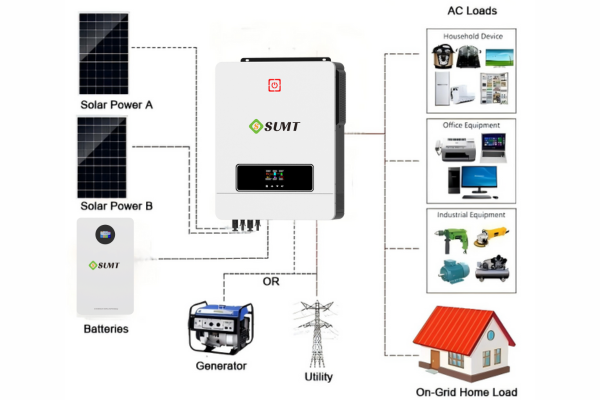
Ever had a generator sputter out mid-use? Or an inverter fry when you plug it in? It’s not just bad luck—more often, it’s a misstep in connecting these two critical pieces of equipment. Whether you’re prepping a home backup system, running tools on a job site, or powering a weekend camping trip, nailing this connection is key to keeping things running smoothly. Let’s dive into the must-know steps.
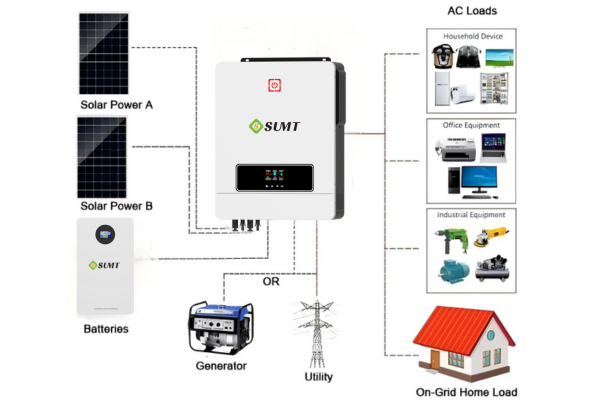
1. Match Power Ratings Like a Pro
Here’s the non-negotiable rule: Your generator’s output power must be higher than your inverter’s rated power. Think of it as a truck hauling a trailer—too small, and it’ll stall.
Why it matters: A 1000W inverter hooked to an 800W generator might work for small devices, but crank up a fridge or power tool? The generator will overload, shut down, and could even damage the inverter’s internal components.
The fix: Go for a generator with 30-50% more power than your inverter. For a 1000W inverter, a 1500W generator is ideal—plenty of muscle to handle startup surges and steady operation.
2. Check Interfaces Before You Plug In
Ever stood there staring at two incompatible plugs, wondering how to make them fit? It’s a rookie mistake that costs time and money.
Generators and inverters come with different connectors—round aviation plugs, square industrial sockets, or standard household ports. Mixing them up means no power, delays, and scrambling for adapters (if they even exist).
Job site hack: Snap a photo of both plugs before buying. Compare specs like pin count and shape—5 seconds of prep saves hours of frustration.
3. Add Protection: Fuses and Breakers Are Non-Negotiable
Skip the safety gear, and you’re playing with fire—literally. A short circuit or power spike can turn your inverter into a smoking ruin in seconds.
Smart move: Install a fuse rated for your inverter (5-10A for 1000W models) and a circuit breaker with dual overload/short-circuit protection. These act like a fire extinguisher for your power system—quiet until you need them, then lifesavers.
4. Keep It Cool to Keep It Running
Heat is public enemy number one for inverters and generators. Stash them in a tight corner or a closed box, and you’ll be dealing with random shutdowns and shortened lifespans.
Pro setup: Leave at least 10-20cm of space around both devices. In hot weather, position them in shade and point a fan at the vents—simple steps that prevent overheating and keep power flowing.
Connecting an inverter to a generator isn’t rocket science, but cutting corners leads to headaches. Follow these tips, and you’ll avoid the most common (and costly) mistakes.
Need help picking the right generator or inverter? Our team of experts is here to match you with gear that works—no guesswork, no stress.
String Inverters vs. Microinverters: Which Is Better for Your Solar System?
How to Configure a Home Off-Grid Photovoltaic System
Related Article