
Can solar inverters continue to work during a power outage?
2025-07-29
With the popularization of new energy, many households and businesses have installed solar power systems. A common question arises: Can solar inverters continue working during power outages? The answer depends on the inverter type, system configuration, and functional design. This article uses SUMT’s ECO-HV, MAX, and ECO series as examples to explain the working logic and key influencing factors of solar inverters during power outages.
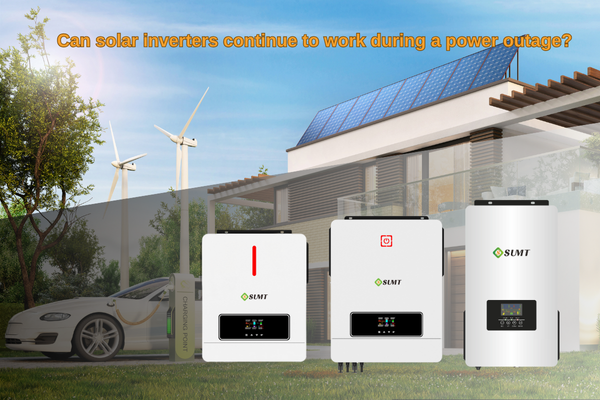
I. Core Logic: Off-Grid Capability is Critical
Standard grid-tie solar inverters rely on grid support to function. Their primary role is converting solar energy for grid feed-in, and they automatically shut down during outages (due to "anti-islanding" safety protocols). In contrast, hybrid solar inverters (with energy storage) feature built-in off-grid modes, switching to "solar + battery storage" power during outages for continuous operation.
Simply put, outage operation depends on two factors: the inverter’s off-grid capability and battery storage support. Grid-tie-only inverters without batteries stop working during outages, while hybrid inverters with storage can sustain critical devices via battery discharge.
II. 3 Key Conditions for Outage Operation
1. Inverter Type: Grid-Tie vs. Hybrid
- Grid-tie inverters: Connect only to solar panels and the grid, with no storage interface. They trigger safety shutdowns during outages and cannot operate independently.
- Hybrid inverters: Connect to solar panels, battery storage, and the grid simultaneously, supporting seamless "grid-tie/off-grid" switching. During outages, they automatically enter off-grid mode, powered by solar energy and stored battery power. SUMT’s ECO-HV, MAX, and ECO series are all hybrid inverters, equipped with basic off-grid operation capabilities.
2. Battery Storage Configuration: Power Reserve Availability
Hybrid inverters require battery storage to function during outages. Excess solar energy is stored in batteries during daytime generation; during outages, inverters convert stored DC power from batteries to AC for loads. For example, SUMT’s ECO series, paired with a 10kWh battery, can power basic household needs (refrigerators, lighting) for approximately 12 hours during outages.
3. Off-Grid Function Design: Switching Speed & Load Protection
High-quality hybrid inverters feature fast off-grid switching and load prioritization. SUMT’s MAX series switches between grid-tie and off-grid modes in <10ms, below the power-off tolerance threshold of computers and servers, preventing device restarts or data loss. The ECO series supports dual-load output, automatically cutting non-essential loads (e.g., TVs) during outages to prioritize critical devices like refrigerators and air conditioners.
III. Scenario-Specific Performance: SUMT Series During Outages
1. Residential Scenarios (ECO Series)
The ECO-4.2KW/6.2KW PLUS, paired with storage batteries, automatically switches to off-grid mode during outages. Its dual-load management prioritizes essential power for refrigerators and lighting. WiFi remote monitoring allows users to track battery levels in real-time, preventing over-discharge. Ideal for homes needing backup during short outages.
2. Commercial & Industrial Scenarios (MAX Series)
The MAX-8.2KW/10.2KW adapts to large-capacity batteries, with a 160A high-current charging capability for rapid energy storage. During outages, it switches seamlessly to off-grid mode, isolating critical production loads from general lighting to maintain core factory operations. In regions with unstable grids, it reduces downtime-related losses.
3. Large-Scale Projects (ECO-HV Series)
The ECO-HV series supports multi-unit parallel operation to form off-grid microgrids. Three units in parallel create a three-phase 380V system, powering high-wattage industrial motors and pumps during outages. Equipped with anti-backflow technology to prevent energy waste, it suits long-term off-grid operations in grid-weak areas like islands and mining sites.
IV. Tips for Reliable Outage Performance
- Regular Battery Maintenance: Storage battery capacity degrades over time. Annual capacity checks ensure sufficient backup power during outages.
- Load Planning: Avoid high-power devices (e.g., electric water heaters) in off-grid mode to prevent inverter overload.
- Choose UPS-Grade Inverters: Models like SUMT’s MAX series offer UPS-level switching speeds to protect precision equipment from outage impacts.
Conclusion
Whether a solar inverter works during outages depends on three factors: "hybrid design + battery storage + off-grid features". SUMT’s ECO-HV, MAX, and ECO series ensure critical power supply across scenarios via off-grid switching and load management. Selecting the right model based on power needs and maintaining batteries properly maximizes the emergency value of solar systems.
How MPPT Controllers Intelligently Manage Battery Charging
SUMT Inverters: ECO-HV, MAX, NM-ECO Series – Power Options & Core Advantages
Related Article
When Energy Storage Moves Beyond Backup Power: How Should We Rethink Hybrid Inverters in 2026?
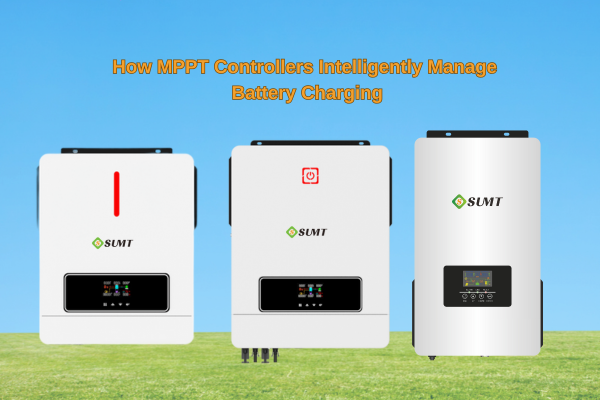
MPPT controller intelligently charges lithium and lead-acid batteries to protect lifespan and optimize output.
How MPPT Controllers Intelligently Manage Battery Charging
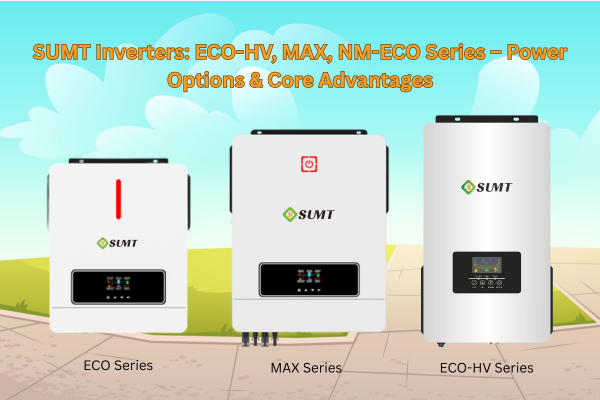
SUMT's ECO-HV, MAX, and NM-ECO inverters target diverse needs. ECO-HV excels in parallel expansion for large projects; MAX offers dual PV inputs for commercial stability; NM-ECO provides dual-load flexibility for homes. This guide details their specs, advantages, and uses.
SUMT Inverters: ECO-HV, MAX, NM-ECO Series – Power Options & Core Advantages
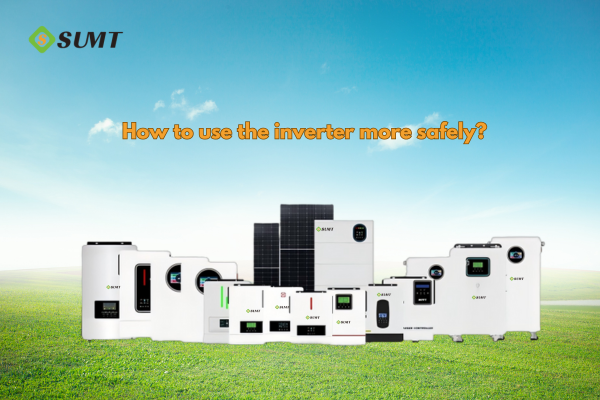
Inverters are critical for converting DC to AC power, but improper operation can lead to equipment failure or safety hazards. This guide outlines 6 key precautions covering safe wiring, environmental management, load control, and maintenance. It also recommends
How to Use an Inverter Safely?