Home Energy Storage Is Entering the Smart Era
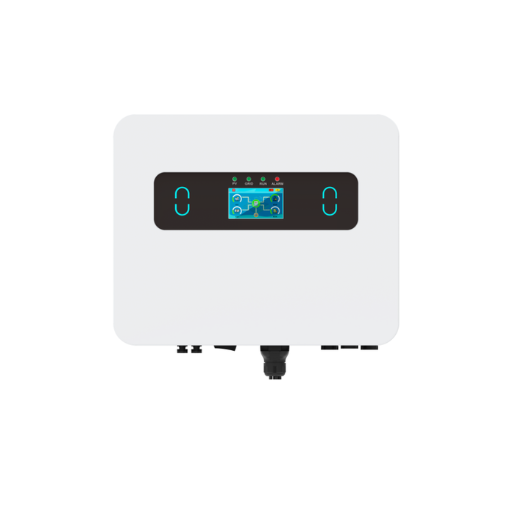
How hybrid storage inverters are redefining home energy management.
As the global energy transition continues, solar power and energy storage are moving from specialist projects into everyday homes. In Europe, the Middle East, Southeast Asia, Africa, and Latin America, the residential energy storage market is growing quickly. More families are asking the same question: how can solar power become a stable, reliable, and efficient energy source for the home, not just a set of power-generating equipment?
From an engineering point of view, the answer is becoming clear. The hybrid home energy storage system has become an important direction for modern residential energy management.
From Generating Power to Managing Power
Early home solar systems mainly solved the problem of generating electricity. During the day, PV modules convert sunlight into electricity. The home uses it first, and surplus power is exported to the grid according to local policy.
This model can use solar energy effectively, but it has one obvious limitation: the time when a home uses electricity does not always match the time when solar power is generated. Many families use little power during the day, while solar generation is at its peak. In the evening, when people return home and demand increases, solar generation has already stopped.
A hybrid storage system solves this problem by adding batteries and intelligent energy management. It stores surplus solar energy during the day and uses it at night or on cloudy days, distributing energy more reasonably across time.
From an engineering perspective, this improves solar utilization and gives the home energy system stronger independent operating capability.
The Hybrid Inverter as the Energy Management Center
Many users think an inverter only converts DC power into AC power. In a modern home storage system, however, the hybrid storage inverter acts as the energy management center of the whole system.
It continuously monitors PV output, battery state of charge (SOC), real-time home load, and utility grid status. Based on preset strategies, it automatically dispatches energy.
For example, when sunlight is strong during the day, the system uses solar power first to supply home loads and charges the battery with any surplus. At night, it uses battery power first. When the battery drops to a preset level, the system automatically switches to the utility grid.
If there is a power outage, a hybrid inverter with backup capability can quickly enter off-grid mode and continue supplying key loads such as lighting, refrigerators, network equipment, and other essential devices. No manual switching is required.
This intelligent control capability has become an important standard for evaluating modern home energy storage systems.
System Design Is More Than Equipment Selection
In real projects, a stable home energy storage system is not simply a matter of connecting an inverter, PV modules, and batteries. Engineers usually evaluate several factors:
• Average daily household electricity use
• Peak load power
• Installed PV capacity
• Roof orientation and shading
• Local solar radiation
• Utility grid stability
• Need for backup power during outages
• Future plans to add storage capacity or EV charging
These factors affect inverter power selection, battery capacity, and the system's operating strategy. A good home storage solution should be designed around the real application scenario, rather than using a fixed configuration for every project.
Smart Features Are the New Direction
With the development of digital technology, modern home storage systems are no longer limited to energy conversion. More products now include remote monitoring, operating data analysis, fault diagnosis, and intelligent energy scheduling.
Through a mobile device, users can view:
• Solar power generation
• Remaining battery capacity
• Changes in home load
• Utility grid status
• Historical operating data
• System alarm information
For installers and service teams, remote monitoring helps locate problems faster, improve after-sales efficiency, and reduce operation and maintenance costs.
In the future, as artificial intelligence and the energy internet develop, home storage systems will move from automatic operation toward intelligent decision-making, enabling more precise and efficient energy management.
SUMT: Focused on Home Energy Storage Innovation
As a company focused on the development and manufacturing of solar inverters and energy storage systems, SUMT is guided by real engineering application needs. It continues to optimize product performance and system stability, providing more reliable home storage solutions for residential markets worldwide.
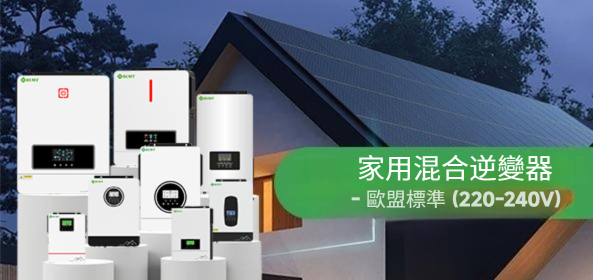
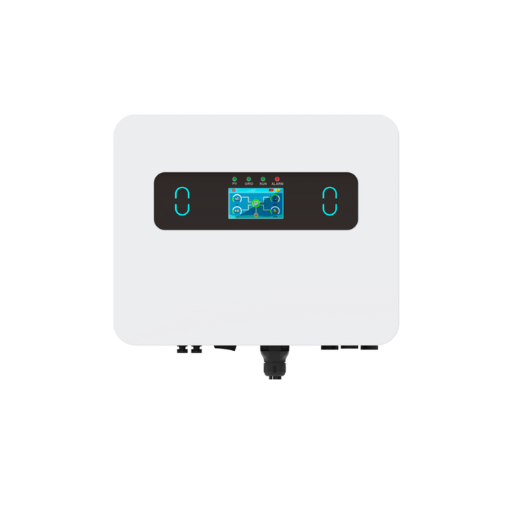
For different installation environments and project needs, SUMT offers the HS1 Series and HC1 Series hybrid storage inverters.
The HS1 Series is suitable for indoor installation. It supports dual MPPT, intelligent battery management, UPS-level fast switching, and remote monitoring, making it suitable for homes, villas, and small commercial projects.
The HC1 Series uses an IP65 protection design for outdoor installation. It can maintain stable operation in areas with high temperature, high humidity, or heavy dust, providing more flexible installation options for different countries and regions.
Specific functions, compatibility, and application scope should be based on the technical documents and product manuals of the corresponding model.
Conclusion
The development of home energy storage is upgrading residential energy systems from single power supply to intelligent energy management. For users, a well-designed and stable hybrid storage system can improve solar utilization, strengthen power reliability, and support a greener and smarter energy lifestyle.
As the new energy industry continues to grow, hybrid storage technology will play an increasingly important role in homes, businesses, and more application scenarios. SUMT will continue investing in inverter and storage technology, providing safer, more reliable, and smarter energy solutions for global partners and end users.
Why Are More Families Paying Attention to Energy Storage Systems?
How to Choose the Right Hybrid Storage Inverter for Home Use
Related Article