What is the difference between hybrid inverter and grid-connected inverter
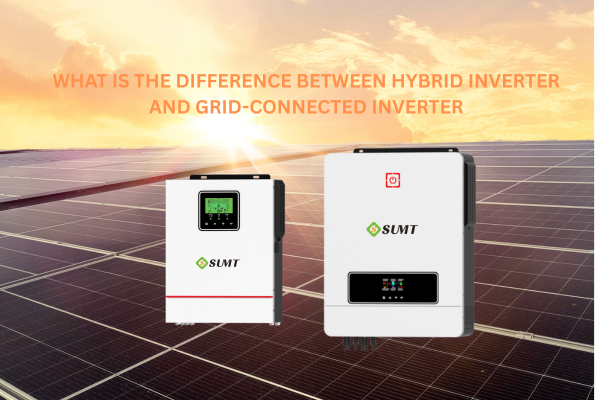
Grid-Tied vs. Hybrid Solar Systems: Key Differences Explained
In the realm of solar power generation, grid-tied and hybrid systems represent two distinct connection methods, each with unique technical architectures, applications, and economic returns. Below is a detailed breakdown across five critical dimensions:
Grid-Tied Photovoltaic System
A grid-tied system converts DC electricity generated by solar panels into AC power synchronized with the utility grid via a dedicated inverter. It operates under the principle of "self-consumption first, surplus to grid, grid supply when needed":
Self-Consumption: Prioritizes meeting internal electricity demands for homes or businesses.
Surplus to Grid: Excess electricity is automatically fed into the grid, generating revenue based on local electricity prices.
Grid Supply: Draws power from the grid during nighttime or cloudy days.
System Characteristics:
No battery storage required, relying on the grid as "virtual energy storage."
Mandatory anti-islanding protection device to immediately disconnect during grid outages, ensuring maintenance safety.
Hybrid Photovoltaic System (Grid-Tied + Off-Grid)
A hybrid system integrates both grid-tied and off-grid capabilities, enabling seamless mode switching via an intelligent controller:
Grid Mode: Functions identically to a traditional grid-tied system, prioritizing solar power utilization.
Off-Grid Mode: Automatically switches to independent operation during grid outages, relying on stored battery energy.
Core Components:
Hybrid Inverter: Supports bidirectional energy flow, adaptable to both grid-tied and off-grid scenarios.
Battery Bank: Stores excess electricity to ensure power supply during outages.
2. Application Scenarios and Advantages
Grid-Tied System Applications
Urban Homes & Commercial Users: Reduce electricity costs through solar power while benefiting from government subsidies.
Stable Grid Regions: No need to worry about power outages; simple and reliable system structure.
High Renewable Energy Goals: Contribute to carbon neutrality and reduce carbon emissions.
Core Advantages:
Low Initial Investment: 30%-50% lower equipment costs compared to hybrid systems.
Stable Returns: Long-term revenue from selling surplus electricity to the grid (subject to local policies).
Hybrid System Applications
Unstable Grid Regions: Frequent power outages in rural areas, mountains, or developing countries.
Critical Load Protection: Hospitals, data centers, communication base stations requiring uninterrupted power.
Peak-Valley Tariff Arbitrage: Charge batteries during low tariff periods and discharge during peak hours to reduce costs.
Energy Autonomy: Aspire to achieve complete grid independence and zero-carbon energy supply.
Core Advantages:
High Reliability: Ensures continuous power supply during grid failures, safeguarding basic livelihoods and production.
Significant Electricity Cost Optimization: Maximizes low-cost electricity utilization through energy storage management.
Policy Adaptability: Serves as a transitional solution in regions with grid connection limitations.
3. Cost and Economic Comparison
Grid-Tied Systems:
Equipment costs concentrate on solar panels and inverters, with no energy storage required.
Lower initial investment and maintenance costs (primarily regular inverter inspections).
Typical payback period: 5-8 years.
Hybrid Systems:
Higher equipment costs due to added batteries and intelligent control systems.
Batteries typically last 5-10 years, necessitating periodic replacements and increasing maintenance costs.
Extended payback period: 7-12 years. However, hybrid systems generate additional value through peak-valley tariff arbitrage and outage protection.
4. Key Differences Summary
Grid-Tied Systems:
Fully dependent on grid operation; cease functioning during outages.
No energy storage required; simple system structure.
Low-cost, high-return characteristics; ideal for cost-sensitive users in stable grid regions.
Hybrid Systems:
Capable of independent operation without grid reliance.
Mandatory battery configuration; higher system complexity.
Superior power supply stability and energy autonomy; ideal for regions with frequent outages or high reliability requirements.
5. How to Choose?
Opt for Grid-Tied If:
Your local grid is stable with favorable grid connection policies.
You have a limited budget and aim for rapid cost recovery.
Your primary goal is reducing electricity expenses.
Opt for Hybrid If:
Frequent power outages occur in your area, or you have critical reliability requirements.
Significant peak-valley tariff differences exist, enabling cost-saving opportunities.
Energy autonomy to mitigate future grid uncertainties.
Conclusion
Grid-tied systems excel in economic efficiency and are the current mainstream choice. Hybrid systems, however, offer unparalleled reliability and flexibility, particularly suited for scenarios demanding high power stability. We recommend users consult professional institutions to evaluate local grid conditions, policy environments, and individual needs for a customized solution that maximizes return on investment and user experience.
Can one inverter accommodate both 12VDC and 24VDC
How to Calculate the Right Inverter Size for Your Solar System
Related Article